
Minnesota's Black Business Legacy Lives On
Minnesota's Black business history is a story of resilience, innovation, and community building. From the late 1800s through today, Black entrepreneurs in the Twin Cities and beyond have created thriving businesses despite facing redlining, urban renewal, and systemic barriers.
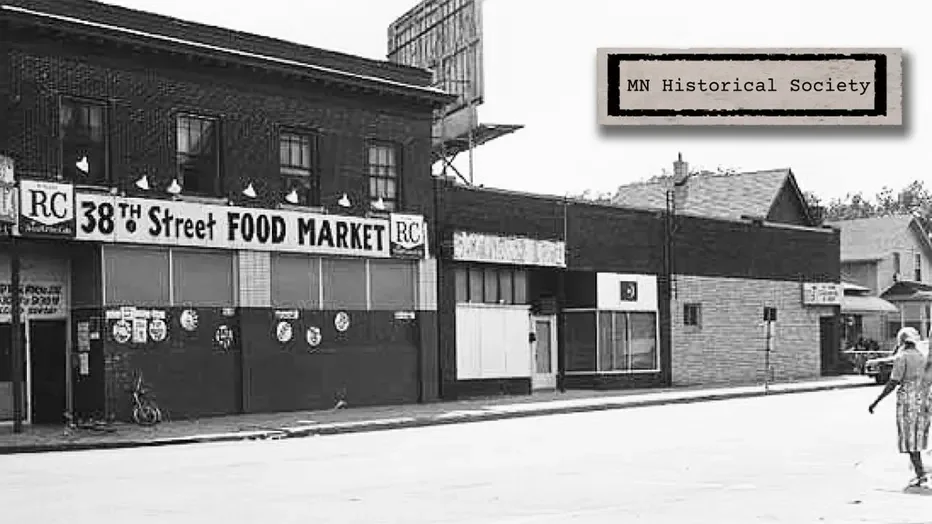
38th Street. Minnesota Historical Society Photo
The Historical Foundation:
Black Minnesotans have been entrepreneurs since the earliest days of statehood. In the late 1800s and early 1900s, Black-owned businesses flourished along what would become some of Minnesota's most vibrant commercial corridors. Barber shops, restaurants, grocery stores, hotels, newspapers, and professional services created self-sustaining economic ecosystems.
The most famous of these was the Rondo neighborhood in St. Paul—the heart of Black life in Minnesota for decades. At its peak, Rondo was home to over 300 Black-owned businesses. From tailors to physicians, from the Sterling Club to countless family-owned shops, Rondo represented Black economic power and community pride.
The Destruction:
Then came Interstate 94. In the 1950s and 60s, the construction of I-94 deliberately cut through the heart of Rondo, destroying the neighborhood and displacing thousands of Black families and businesses. An estimated 700 Black families lost their homes and hundreds of businesses were wiped out. The wealth that had been built over generations—property ownership, established businesses, community institutions—was demolished.
Similarly, Minneapolis's Plymouth Avenue corridor, once a thriving Black business district, faced its own challenges through urban renewal and disinvestment.
The Challenge Today:
Today's Black entrepreneurs in Minnesota face different but equally challenging barriers. Rising commercial rents, short lease terms, and limited access to commercial real estate financing threaten to displace Black businesses once again.
The Opportunity:
Minnesota's Black entrepreneurs are resilient. From North Minneapolis to St. Paul's Selby-Dale neighborhood, from Midway to emerging corridors across the metro, Black-owned businesses are thriving. And this time, we're committed to ensuring they have the stable, affordable spaces they need to build generational wealth.
At PIP CLT, our mission is to redevelop and preserve long-term affordable commercial spaces through community-driven ownership. We believe every Black business deserves a stable foundation—a place to grow without fear of displacement, a space to build generational wealth, and a home in the community they serve.
This month, join us as we explore Minnesota's rich Black business legacy and celebrate the entrepreneurs—past and present—who understood that securing your space means securing your future.